In October, my article “A Most Useful Man: Instrument Makers, Workshops, and the Development of Physics Research in Canada, 1920–1939” was published in Nuncius, a Europe-based journal of the material and visual history of science. The article examines workshops and the technicians in Canadian departments of physics in the interwar period, taking Queen’s University in Kingston, Ontario as an example of the changes underway across the country. It’s an adaptation of some of the chapters of my PhD thesis, and comes directly out of that research.
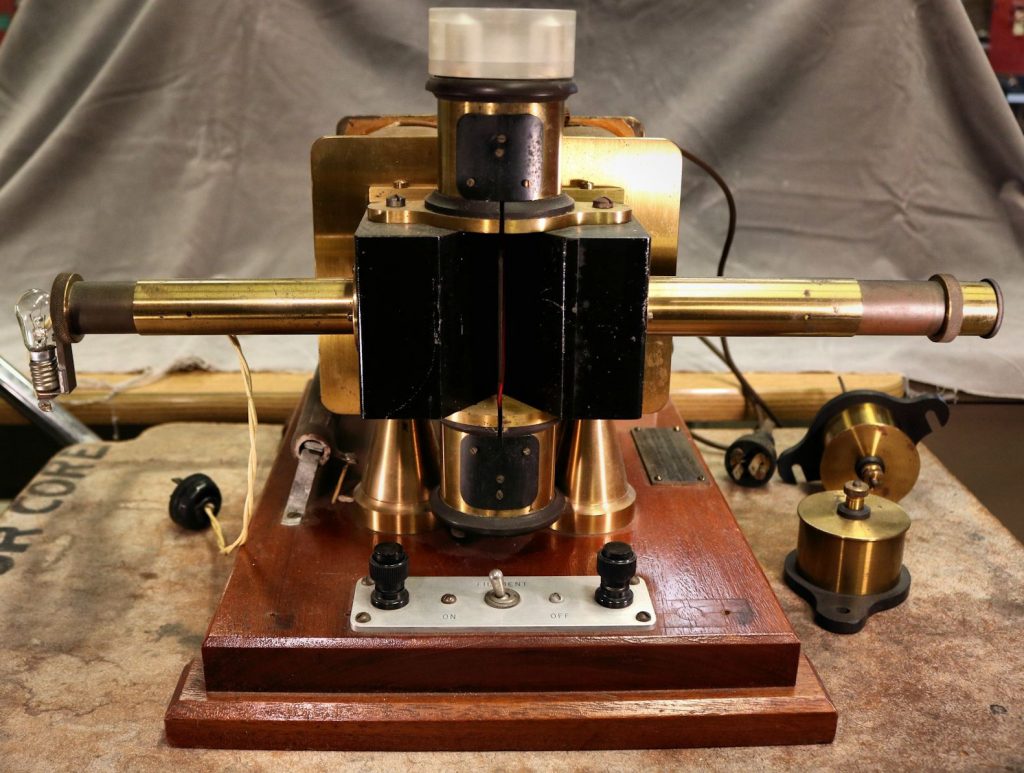
For my thesis, I visited the historical collections of the departments of physics at ten Canadian universities, and, with the exception of my ‘home’ collection at the University of Toronto, Queen’s was the first department I visited, in the late fall of 2018.
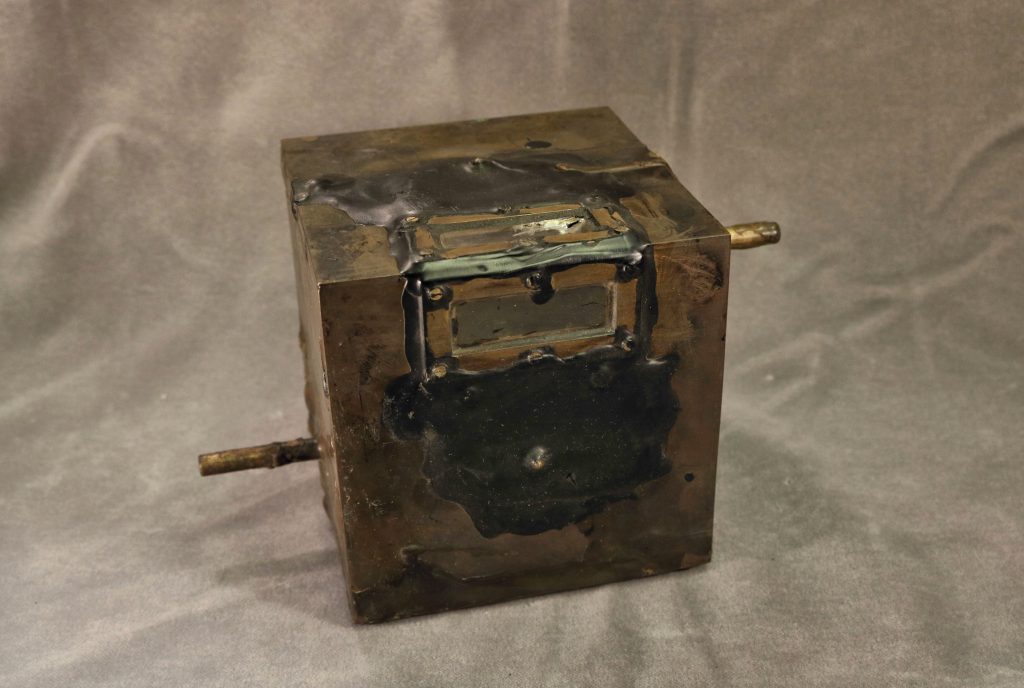
This turned out to be amazing luck. The Department of Physics Historical Collection at Queen’s, cared for by Bernie Ziomkiewicz, is comprehensive, has a very useful catalogue, and features many excellent examples of apparatus made at the department by technicians–exactly what I was looking for. From precise, prestige equipment like an Einthoven Galvanometer to equipment covered haphazardly in sealing wax to create an air-tight box, these artifacts revealed something about the roles and lives of instrument makers at the department.
The artifacts collection also hosts documents and, together with materials at the Queen’s University archive–including a fantastic minutes book from Queen’s Research Committee, founded at the height of the First World War–the picture of the early activities of the Department of Physics at Queen’s is quite clear.
These artifacts and documents were a perfect starting point for understanding how closely connected physics workshops were with the emergence of university-based physics research in Canada. Many years later, I am so excited to publish work that tells this story.
Leave a Reply